

“I am not what happened to me. I am what I choose to become.”
— Carl Jung
Retirement: A Double Edged Sword
In a previous edition, I had shared my personal journey with multiple sclerosis (MS), including how it began and the early warning signs I noticed. Thankfully, MS isn’t a fatal condition. But each day, it becomes more challenging to live with, slowly affecting more aspects of my life. This writing attempts to share later life experiences, particularly post retirement. In India, retirement policies continue to remain archaic and unchanged. Life expectancy has improved from just over 40 years at independence in 1947, to nearly 70 years today. Yet, retirement ages have barely shifted, stuck around 58 to 60 years for most sectors.
This mismatch creates a strange paradox: people are living longer, healthier lives, but are expected to stop working at the same age as their grandparents did.
For someone like me, living with a chronic condition, this rigid system feels even more out of touch. The idea of “retirement” isn’t just about stepping away from work—it’s about losing structure, purpose, and financial security at a time when medical needs are rising. In the West, flexible retirement options, phased exits, and disability-inclusive policies offer some sort of cushion. Here, it often feels like a cliff edge. And so, each day becomes a balancing act—between managing symptoms, staying productive, and navigating a system that hasn’t caught up with the realities of modern life or the diversity of human experience.
Early retirement might seem like a relief for someone living with MS, especially when symptoms make daily work a struggle. But beneath that surface of relief, lies a complex web of risks and unintended consequences that can quietly erode well-being and Quality of Life over time. Here’s a narrative that explores those dangers.
The Hidden Cost: the loss of Social Connections
At first, early retirement felt like a breath of fresh air—a chance to rest, recover, and escape the daily grind. For someone with a similar condition like MS, it can mean fewer flare-ups triggered by stress, more time for medical appointments, and the freedom to pace life gently. And, yet, as the weeks turn into months, a different reality begins to unfold.
As I crossed the threshold of retirement, I felt the weight of routine and identity slipping away. Days blurred together without any work structure, amplifying my struggles with MS, further deepening my isolation.
On my final day, colleagues gathered in a vibrant celebration, their laughter a bittersweet melody. Flower garlands adorned my shoulders, and bouquets were offered, yet I remained mindful of my health, leaving the sweets untouched. Amidst the warmth of praise and camaraderie, I realized that work had woven the fabric of my life.
Coping with Change: Embracing New Routines
As the days unfolded, an inevitable crescendo arrived—a farewell speech filled with heartfelt tributes from friends and even the occasional foe, each word steeped in nostalgia and gratitude. As the sun set on this chapter of my life, a grand procession awaited—a final escorted drive home, where hands waved in a symphony of goodbyes. In that moment, I felt enveloped in honor and joy, truly like a king, basking in the appreciation and love surrounding me. The dawn of the following day brought an unsettling stillness, a stark contrast to the vibrant chaos of my mornings. Awaking to find my chauffeur absent and the car untouched, I felt a wave of shock. The comforting ritual of my spouse preparing lovingly crafted lunches vanished, leaving an eerie void. The house felt foreign, lacking the familiar rush of my daily routine. Instead, it seemed the walls echoed a sentiment: “It’s time to slow down.”
With each passing moment, I grappled with this unexpected freedom, facing a world that had suddenly shifted to a slower pace.
The Financial Tightrope
As I approached my mid-forties, life felt manageable. I had a steady job, a comfortable income, and the promise of a bright future ahead. However, my diagnosis of MS changed everything. The long-term condition gradually took its toll, especially after retirement. What I thought would be a new chapter of freedom quickly turned into a daunting financial challenge. At 45, I had crafted a budget that seemed sufficient to support my lifestyle. Following retirement, the landscape shifted dramatically. Inflation loomed large, and the rising costs of medical care began to erode my sense of financial security.
What once felt like a well-planned budget now felt like a fragile structure, barely holding up under the weight of unexpected expenses.
The financial strain crept in quietly, but steadily, eroding my sense of independence.
The Emotional Landscape: Identity and Isolation
In this new reality, I found myself navigating a complex financial terrain without a map. There was no professional financial advisor to guide me through the intricacies of post-retirement investments. I found myself sifting through a sea of unsolicited advice from well-meaning family and friends. They all had their suggestions: fixed deposits for specified terms, the unpredictable realm of share markets, tax-exempt government bonds, the allure of cryptocurrencies, the risks of real estate flipping, and high-interest savings accounts that promised low risk and guaranteed returns. The list was overwhelming for someone like me, who felt lost in this financial maze. I quickly realized that assessing my risk tolerance, investment goals, and time horizon was crucial. Choosing where to allocate my retirement funds became a weighty decision. I learned that a diversified approach—one that balanced safe investments with those that carried more risk—could potentially help me navigate this precarious situation. Yet, the reality remained stark: my income had been slashed in half with the transition to a pension, and there were no reimbursement schemes to cushion the blow.
As I grappled with these challenges, I understood that I was not just dealing with numbers on a spreadsheet; I was confronting the very essence of my independence and security.
The journey through early retirement was not what I had envisioned. It was a path fraught with uncertainty, but I was determined to find my way, to reclaim my financial stability, and to navigate this new chapter of my life with resilience and hope.
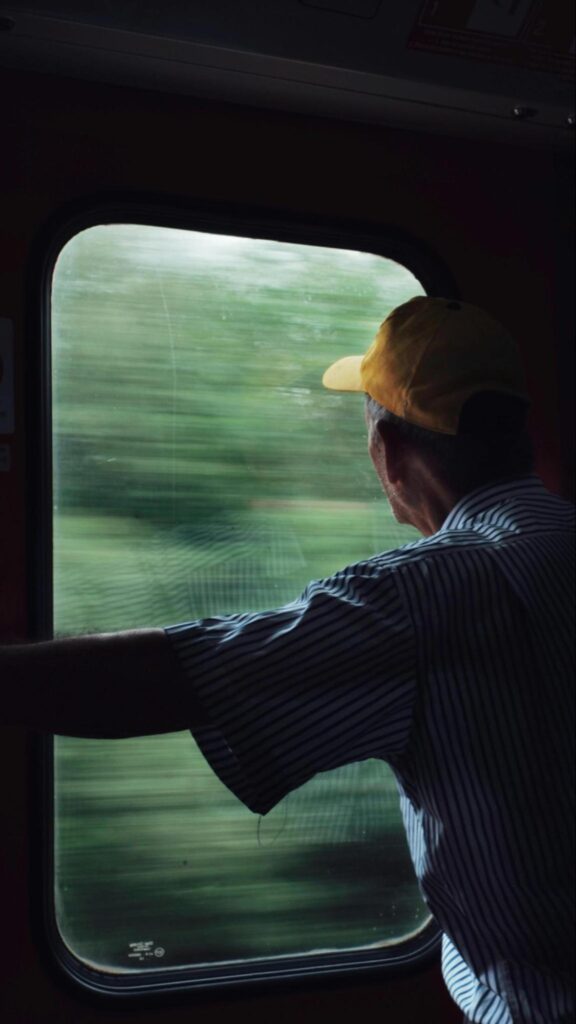
Reflecting on my journey, I realize that workplaces are more than just places to complete tasks; they are vibrant hubs of social interaction. In the early years of my career, I thrived in this dynamic environment, surrounded by colleagues who became dear friends. However, when I chose to retire early, I was unprepared for the unforeseen consequences—my social circle began to shrink dramatically. The reality of early retirement hit me hard, especially as mobility issues from my condition made going out increasingly challenging. The lively connections I once enjoyed began to fade, and my reluctance to participate in outings was often misinterpreted as arrogance. Loneliness crept in, revealing itself as more than just an emotional burden; it took a toll on my health, exacerbating my MS symptoms.
The Search for Support: Navigating Elder Care in India
Resilience in Adversity: Lessons Learned
Living in a bustling Indian metropolis, I felt particularly disconnected without daily workplace interactions. My MS affected not only my physical abilities but also my cognitive functions—my memory and attention were under siege. To combat this decline, I recognized the need to stay mentally active. I dedicated myself to academic writing, immersing myself in research and creativity. This passion not only kept my mind engaged but also helped me navigate loneliness, proving, once again, that even in adversity, there are paths to fulfilment and connection.
After I retired, I began to notice some unique health challenges that came with having MS. Unlike my friends (who didn’t have MS), I found that my health was changing in ways that were quite difficult to manage. As I got older, I experienced more problems with my brain and body. While it’s normal for everyone to have some decline in brain function and physical ability as they age, for me, these changes seemed to happen much faster. I felt more tired, and my mood often dipped, making it hard to stay active. I also became more prone to falling and felt weaker overall. The stiffness and spasms in my muscles made it challenging to move around safely. This gradual loss of independence was tough to accept, and I found myself relying more on caregivers for help with daily tasks. I had to deal with other health issues that came from being less active and taking medication for a long time. I faced several health issues, including high blood pressure, diabetes, urinary tract infections, and bladder problems. My body seemed more vulnerable to infections, especially since I was on treatments that lowered my immune system.
As the quality of my life began to decline, I realized that retirement was a turning point for me. It intensified feelings of losing my identity and led to social isolation, which took a toll on my mental health. I recalled what Martin Luther King Jr. said, “You don’t have to see the whole staircase, just take the first step.” I understood that I needed to change my approach to care. It became clear that I required more comprehensive support, including rehabilitation and strategies to prevent falls. I needed a team of professionals—neurologists, geriatric specialists, physiotherapists, and mental health experts—to help me navigate this new chapter in my life.
There are things I never imagined I’d have to talk about—let alone live through. One of the hardest has been the slow, humiliating loss of control over my own body. It crept in quietly, like an uninvited guest overstaying its welcome. At first, it was just a few accidents, but soon it became routine. Sometimes it happened in public, often in private; I found myself wetting my pants. Each incident felt like a betrayal—by my body, by fate, and by the silence surrounding it.
To cope, I started wearing only black trousers—not out of fashion, but out of necessity. They hid my shame better. Nights turned restless; I’d wake up not once or twice, but six or seven times, driven by an urgent need to urinate. My mouth was dry, my thirst insatiable, and the more water I drank, the more my nights unraveled. Eventually, I had to make changes I never wanted to make. A bedside commode, a bed stand to help me stay upright, and, reluctantly, diapers—suggested by well-meaning professionals—felt like an affront to my dignity. When I finally consulted a urologist, I hoped for clarity but was instead met with a daunting list of diagnoses: benign enlarged prostate, overactive bladder, urinary urgency, nocturia, and more. My reduced mobility complicated matters, making it increasingly difficult to reach the restroom in time and straining my pelvic floor muscles, heightening the risk of incontinence.
Each night, I slept for only about an hour and a half, interrupted by dreams of searching for restrooms in public parks or office buildings. Each new label felt like additional weight in the heavy backpack I carry as someone living with multiple sclerosis. I was advised to explore various techniques to manage my overactive bladder, but beneath the medical jargon, I felt a profound erosion of my sense of self.
It wasn’t just the physical challenges; it was the emotional burden of navigating this journey in silence, striving to maintain my dignity in a world that often overlooks the full extent of my experience.
Empowerment through Physiotherapy
Physiotherapy has provided not only physical support but also a profound sense of empowerment, allowing me to reclaim control over my body. Each session feels like a lifeline, a chance to learn techniques that help me manage my symptoms and enhance my overall quality of life. The guidance and expertise of my physiotherapists have been invaluable, helping me navigate the challenges of MS with increased confidence and resilience.
In my daily physiotherapy sessions, I engage in two main types of exercises: active and passive, which can be further divided into isotonic and isometric categories. Active exercises are movements initiated by me as the patient. Passive exercises are movements initiated and executed by the therapist. Each exercise targets neuro-muscle stretching and strengthening, focusing on every part of my body—from my head and neck down to my limbs. These exercises are specifically designed to enhance my mobility and support my physical health. However, as my symptoms fluctuate, I often find myself needing to adjust my routine.
I’ve learned that taking prolonged breaks can lead to a decline in muscle quality, much like stretching a rubber band; if I stop pulling it, it snaps back to its original form.
When I return to exercising after a break, I often face a double whammy of muscle soreness—discomfort that arises from micro-tears in my muscle fibres, usually peaking 24 to 72 hours later. This journey has taught me the crucial importance of consistency and adaptability in managing my condition. Each step forward, even if it’s small, reminds me that I have the power to influence my own health and well-being.
Elderly care in India
As I reflect on the evolving landscape of elder care in India, I find myself grappling with a profound sense of concern. Like many, I grew up believing that family would inherently provide support for our elders. However, the reality is starkly different. With the elderly population projected to reach 300 million by 2030, the traditional joint family system is fading, leaving many seniors feeling isolated and undervalued. Instead of being seen as cherished family members, they are often perceived as burdens.
In my experience, I’ve encountered many seniors who embody the spirit of autonomy, fiercely advocating for their rights and dignity. They seek respect, privacy, and control over their lives. Yet, as urbanization reshapes our society, the infrastructure to support these needs is woefully inadequate. The rise of old age homes, while a potential solution, often falls short in quality and care. Many facilities make grand promises but fail to deliver personalized support, leaving seniors vulnerable.
My journey in seeking home care services has been equally disheartening. I’ve met caregivers who, despite good intentions, lack the necessary training to provide effective support. They struggle with essential tasks like medication management and personal hygiene, often leaving families in a lurch. This experience underscores the urgent need for trained professionals who can enhance the independence and dignity of our elders.
As I navigate this complex landscape, I am reminded of the importance of advocating for thoughtful solutions that honour the wishes and needs of our aging population. The path forward requires a collective commitment to improving elder care in India.
Throughout my journey with MS, I have encountered a range of treatments aimed at alleviating the myriad symptoms that come with this condition. While corticosteroids and other tailored medications have been essential for addressing specific issues like muscle spasticity, fatigue, bladder dysfunction, pain, and neuropathy, I’ve come to realize that physiotherapy stands out as a cornerstone in managing my MS.
To sum up, as Mary Anne Radmacher said, “Courage doesn’t always roar. Sometimes courage is the quiet voice at the end of the day saying, ‘I will try again tomorrow.’” (Radmacher, 2022) Advocating for change in elder care is vital; we must ensure inclusive policies and support systems, enabling those with chronic conditions to stay engaged and active.
Suggested Readings
Venkatesan, S. (2024). Aging with and into disability: An introductory review with clarification of basic terms. World Journal of Advanced Research & Reviews, 22(01): 766-777.
Venkatesan, S. (2024). My MS, My story: Lived experiences of a person with multiple sclerosis. Mad in South Asia: Rethinking and Revolutionizing Mental Health.Platform dedicated to the South Asian Visit_https://madinsouthasia.org/my-ms-my-story/
Venkatesan, S., Jayakaran, G.T., Purusotham, P., & Rafi, M. (2012). Disability access audit of public service facilities. Journal of All India Institute of Speech and Hearing. 31: 190-201.
Radmacher, M. A. (2022). Courage doesn’t always roar: And sometimes it does: Re-defining courage with daily inspirations. Mango Media. ISBN: 9781642509052.

S. Venkatesan
S. Venkatesan is a clinical psychologist who has served as Dean (Research Development), Professor & Head, Department of Clinical Psychology, All India Institute of Speech and Hearing, Mysore, Karnataka, India since 1998. Before that he was a faculty member at the NIEPID, Secunderabad for nearly 15 years. He specializes in diagnostic and therapeutic interventions for children, adolescents, adults with disabilities as well as their families and caregivers. He has taught postgraduate students and guided scholars pursuing doctoral studies in the fields of speech, language, hearing, special education, and clinical psychology. Here he shares his experience of living with a neurological condition.